
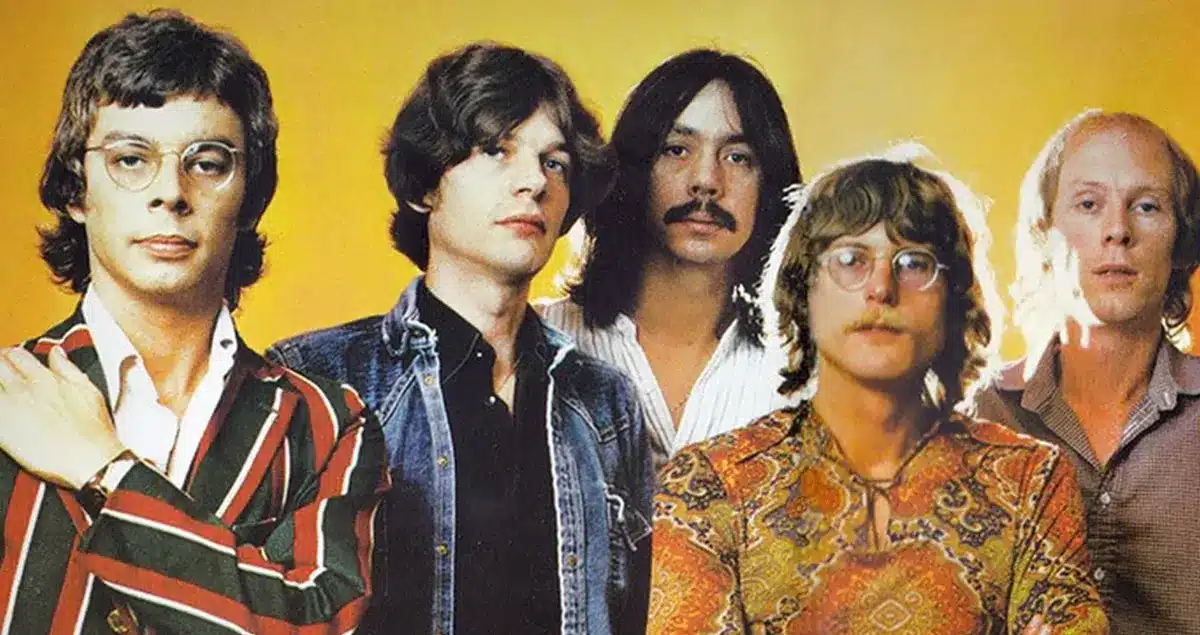
Camel: Progressive Rock as Melodic Elegance, Emotional Continuity, and Instrumental Restraint
Origins and Formation: Progressive Rock Without Excess
Formed in Guildford, England, in 1971, Camel occupies a distinctive and enduring place within progressive rock history. At a time when the genre often equated ambition with spectacle—virtuosic display, conceptual grandiosity, or theatrical weight—Camel proposed a quieter alternative: progressive rock built on melody, atmosphere, and emotional coherence.
Camel’s progressiveness is not immediately confrontational. It reveals itself gradually, through patience, proportion, and an unwavering commitment to musical flow. Rather than challenging the listener through density or abstraction, Camel invites immersion—progress achieved by sustaining feeling over time.
Musical Identity and Progressive Characteristics
Camel’s musical identity is defined by lyrical guitar work, fluid structures, and tonal warmth. Progressive elements—extended compositions, thematic recurrence, and subtle metric variation—are central, but they are integrated seamlessly into melodic architecture. Complexity exists, yet it never disrupts accessibility.
Rhythm functions as a continuous current. Tempos are steady, grooves are supportive, and time signature changes occur organically, guided by phrasing rather than display. Drumming emphasizes balance and motion; bass lines are melodic and supportive, often reinforcing harmonic transitions with quiet authority.
Harmonically, Camel operates within a rich, consonant palette. Guitars favor sustained melodic lines over aggressive riffing, while keyboards provide harmonic depth and atmospheric shading. Instrumental voices interlock gently, preserving clarity even as arrangements expand. Solos are expressive and concise, emerging as emotional statements rather than technical demonstrations.
Vocals are understated and complementary. Rather than dominating, they function as another melodic layer, integrated into the ensemble texture. Lyrics tend toward introspection, imagery, and emotional reflection, reinforcing Camel’s focus on mood rather than narrative complexity.
Progressive Philosophy: Emotion as Structure
Camel’s progressiveness lies in their belief that emotion itself can be structural. Rather than constructing songs around dramatic contrasts or conceptual frameworks, they allow feeling to guide form. Themes recur not as motifs to be analyzed, but as emotional signposts—recognizable, reassuring, and gently transformed.
Albums are conceived as cohesive emotional environments. Tracks relate through tone, pacing, and harmonic language, encouraging uninterrupted listening. Long pieces unfold with natural inevitability, sustaining interest through nuance rather than confrontation.
Crucially, Camel rejects irony and excess. Their seriousness is quiet and sincere, asserting that progressive rock can be deep without being heavy, sophisticated without being severe.
Ensemble Structure and Creative Dynamics
Camel operates as a composition-centered ensemble. Individual musicianship is refined but never dominant. Guitar, keyboards, and rhythm section collaborate to maintain flow, ensuring that no element disrupts emotional continuity.
Improvisation is limited and purposeful. Solos expand emotional space briefly before reintegrating into the ensemble. This discipline allows extended compositions to remain cohesive and inviting.
Production emphasizes warmth and transparency. Arrangements are layered carefully, preserving space and tonal balance. The studio reinforces Camel’s identity as architects of atmosphere rather than engineers of complexity.
Discography Overview: Progressive Rock Through Melodic Continuity
Camel (1973)
The debut introduces the band’s core sensibility: melodic focus, gentle complexity, and atmospheric cohesion. It establishes a foundation of restraint and elegance.
Mirage (1974)
A defining early work that refines Camel’s balance between extended form and melodic immediacy. Its confidence and warmth mark a significant artistic step.
The Snow Goose (1975)
An instrumental concept album that represents Camel’s artistic apex. Its narrative is conveyed entirely through melody and orchestration, demonstrating the band’s belief in music as emotional language.
Moonmadness (1976)
A deeply introspective and cohesive album that balances lyrical content with instrumental expansiveness. Its unity and mood exemplify Camel’s mature voice.
Later Works
Subsequent albums continue exploring melody, atmosphere, and refined structure, maintaining Camel’s commitment to emotional continuity across changing musical climates.
Signature Track
Lady Fantasy
“Lady Fantasy” stands as Camel’s definitive progressive statement. Structured as a multi-part composition, the piece unfolds with remarkable ease—sections transition fluidly, themes recur naturally, and momentum is sustained through melodic logic rather than dramatic escalation.
The track’s power lies in balance: complexity and accessibility coexist without friction. It encapsulates Camel’s philosophy perfectly—progressive rock as extended melodic conversation, guided by feeling rather than force.
Live Performances and Emotional Fidelity
Camel’s live performances emphasize faithfulness to mood and structure. Extended pieces are delivered with clarity and restraint, preserving internal balance rather than expanding through improvisation. The focus remains on sustaining atmosphere and melodic integrity.
Stage presentation is understated, directing attention toward sound and ensemble interaction rather than spectacle. Performances feel reflective and immersive, aligning with the band’s emotional ethos.
Influence, Legacy, and Progressive Rock Context
Within the progressive rock canon, Camel represents the melodic and humane branch of the genre. They influenced artists who prioritize atmosphere, emotional pacing, and instrumental lyricism over technical exhibition. Their work demonstrates that progressive ambition can thrive through refinement rather than escalation.
Camel also serves as a counterpoint to both symphonic excess and experimental severity—progressive rock as listening music, designed for immersion rather than challenge.
Conclusion: Why Camel Still Matters in Progressive Rock
Camel still matters because they redefine progressiveness as emotional continuity sustained through melody. Their music advances by trusting tone, balance, and patience—allowing complexity to serve feeling rather than overshadow it. By proving that progressive rock can be elegant, restrained, and deeply affecting without spectacle, Camel expanded the genre’s expressive possibilities permanently.
In a progressive tradition often driven by ambition made visible, Camel stands apart through ambition made gentle—music that progresses by staying melodic, coherent, and emotionally present long enough to resonate fully.