
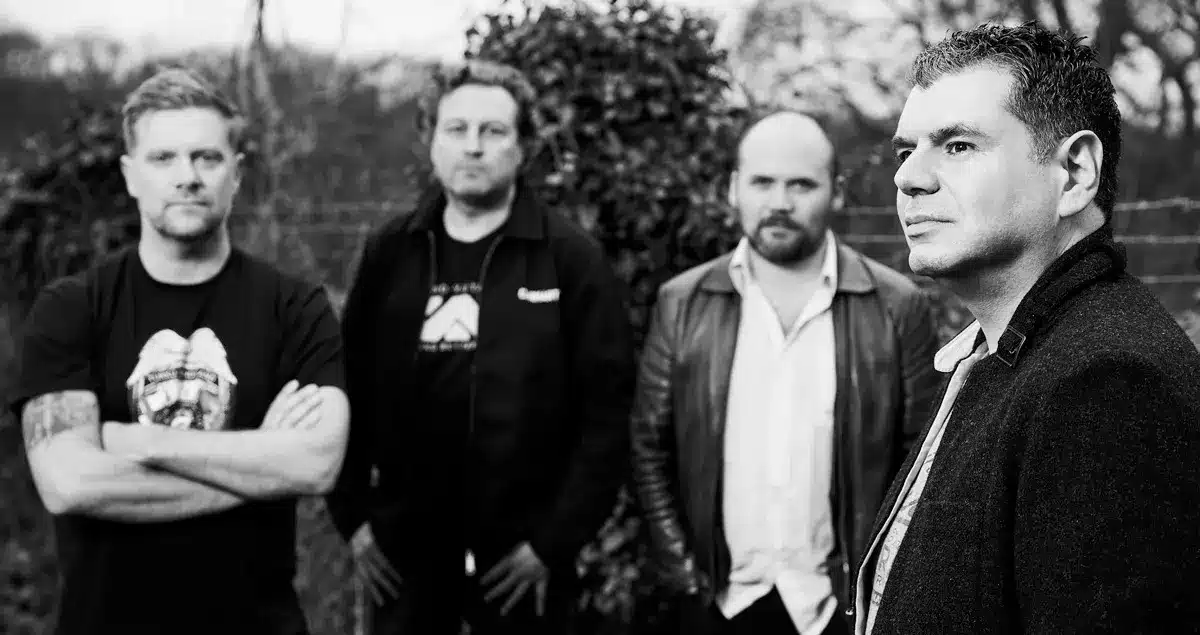
Lonely Robot: Progressive Rock as Introspective Narrative, Modern Melodicism, and Emotional Technology
Origins and Formation: A Solo Vision with Progressive Intent
Launched in 2015 as a studio-driven project, Lonely Robot represents a distinctly modern approach to progressive rock: intimate, melodic, and psychologically focused. Rather than assembling a traditional band identity, the project operates as a conceptual vessel—a space where progressive structure supports emotional storytelling without theatrical excess.
Lonely Robot emerged in a post–neo-prog landscape where technical virtuosity had become commonplace. Its defining move was not to escalate complexity, but to redirect progressiveness toward vulnerability and narrative clarity. Progressive rock, here, becomes a medium for examining identity, memory, and human connection through contemporary production and concise long-form design.
This orientation places Lonely Robot within a lineage that values album cohesion and thematic intent, while embracing accessibility as a strength rather than a compromise.
Musical Identity and Progressive Characteristics
Lonely Robot’s musical identity is defined by melodic immediacy, atmospheric layering, and narrative pacing. Progressive elements—extended forms, recurring motifs, conceptual framing—are integral, yet they are expressed with restraint. Songs prioritize emotional contour over instrumental exhibition.
Rhythm functions as a stabilizing framework. Time signatures are generally steady, allowing lyrics and melody to carry focus. When rhythmic variation appears, it supports narrative shifts rather than drawing attention to itself. Drumming emphasizes proportion and flow, ensuring cohesion across album arcs.
Harmonically, the project blends modern prog textures with classic sensibilities. Guitars are clean and expressive, often layered to create depth rather than aggression. Keyboards provide cinematic ambience, shaping emotional context more than harmonic complexity. Bass supports movement with subtle counter-lines that reinforce narrative momentum.
Vocals sit at the center of the mix, serving as the primary storytelling instrument. Delivery is direct and emotive, favoring clarity over drama. Lyrics explore isolation, communication breakdown, technology’s impact on humanity, and the search for belonging—topics that resonate with contemporary experience while remaining timeless in scope.
Progressive Philosophy: Story Before Spectacle
Lonely Robot’s progressiveness lies in its commitment to story as structure. Albums are conceived as unified emotional statements, often framed by conceptual ideas that guide sequencing and mood. Rather than pursuing constant change, the music sustains atmosphere long enough for meaning to settle.
This philosophy reframes progressive rock as empathetic design. Progress is achieved not by increasing density, but by refining focus—allowing melodies to recur, themes to echo, and emotions to deepen through repetition and context.
Importantly, Lonely Robot resists irony. Its tone is earnest and reflective, embracing sincerity in an era often dominated by detachment. This sincerity anchors its progressive identity.
Ensemble Structure and Creative Dynamics
As a studio-centered project, Lonely Robot emphasizes compositional unity over ensemble dialogue. Guest musicians contribute color and nuance, but the core vision remains centralized. This approach ensures consistency of tone and intent across releases.
Arrangements are carefully edited. Solos are expressive yet brief, integrated into narrative arcs rather than spotlighted. Texture and space are prioritized, allowing songs to breathe and albums to unfold naturally.
The result is music that feels cohesive and intentional—progressive rock shaped by curation and proportion.
Discography Overview: Modern Progressive Narratives
Please Come Home (2015)
The debut establishes Lonely Robot’s identity immediately. Melodic strength, emotional openness, and conceptual framing define the album. It introduces themes of displacement and connection with clarity and warmth.
The Big Dream (2017)
Expanding scope and confidence, this album deepens cinematic texture and narrative ambition. Songs feel more expansive, yet remain grounded in melody and lyric.
Under Stars (2019)
A more introspective release, emphasizing atmosphere and emotional nuance. Its pacing and cohesion reinforce the project’s album-centric ethos.
A Model Life (2020)
Focused on identity and self-perception, this album balances accessibility with progressive intent. Its clarity and restraint mark a mature phase.
Ironically, I’m Here (2023)
A reflective and personal work, exploring presence, absence, and acceptance. It consolidates Lonely Robot’s strengths—melody, sincerity, and narrative continuity.
Signature Track
A Model Life
“A Model Life” stands as Lonely Robot’s definitive progressive statement. Structured as a concise yet expansive narrative, the track unfolds with patience and emotional control. Layered guitars and atmospheric keyboards establish context, while vocals guide the listener through themes of identity and self-awareness.
Rather than dramatic contrast, the song relies on gradual build and melodic recurrence, allowing meaning to accumulate. It encapsulates the project’s philosophy: progressive rock as intimate storytelling supported by modern production and disciplined structure.
Live Performances and Interpretive Fidelity
Live presentations of Lonely Robot emphasize faithful translation of studio atmosphere. Performances prioritize clarity, balance, and emotional accuracy over improvisational expansion. Extended sections retain their internal logic, ensuring that narrative arcs remain intact.
Stage presentation is understated, reinforcing the inward focus of the music. Attention remains on song and story rather than spectacle.
Influence, Legacy, and Progressive Rock Context
Within contemporary progressive rock, Lonely Robot occupies a vital position as a bridge between accessibility and ambition. It demonstrates that modern prog can be emotionally direct without sacrificing album cohesion or long-form thinking.
Its influence is felt among artists who prioritize narrative, melody, and atmosphere over technical escalation. Lonely Robot affirms that progressive rock’s future can be human-centered, reflective, and sincere.
Conclusion: Why Lonely Robot Still Matters in Progressive Rock
Lonely Robot still matters because it redefines progressiveness as emotional clarity sustained over structure. By placing story, melody, and vulnerability at the core of progressive design, it preserves the genre’s album-centric ambition while adapting it to contemporary sensibilities.
In a progressive landscape often divided between nostalgia and complexity, Lonely Robot offers an alternative path—one where progress is measured by connection, empathy, and the courage to speak plainly. Its legacy endures as progressive rock shaped not by excess, but by intentional intimacy and modern narrative depth.